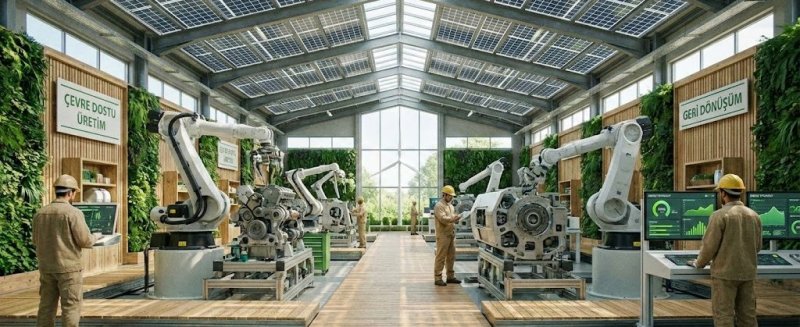
Energy efficiency is enabled through optimized motors, adaptive control software, low-friction components, thermal management improvements and intelligent sensor networks. These technologies reduce idle losses, stabilize power consumption and regulate machine performance based on real-time operational demand.
Field studies indicate that variable-speed motor systems can reduce electricity use by up to 18%. Energy savings increase further when supported by digital monitoring systems that detect anomalies and prevent unnecessary consumption.
Material science plays a pivotal role in sustainable machine development by enhancing strength-to-weight ratios and enabling recyclability. Recycled aluminum, advanced composites and low-emission alloys reduce carbon impact while improving mechanical stability.
Lightweight components reduce kinetic energy demands in robotics and conveyor systems, often yielding 12–20% operational energy savings. These improvements align engineering decisions with environmental objectives.
Circular economy principles shape machine production through modular construction, easy disassembly, recyclable material selection and remanufacturing strategies. Since approximately 70% of a machine’s environmental impact originates during the production phase, responsible design reduces long-term ecological cost.
Modular architecture extends machine lifespan by allowing parts to be replaced or upgraded without full system renewal. This approach reduces waste and accelerates sustainability gains across the supply chain.
Carbon footprint reduction is achieved through clean production technologies, heat recovery systems, energy-efficient motor integration and waste minimization. Heat recovery systems can convert up to 25% of waste heat into usable energy, significantly improving overall efficiency.
Clean production includes low-VOC coatings, water-saving cleaning processes and lubricant-free engineering systems. These technologies reduce resource consumption while improving operational safety and reliability.
Digitalization is transformative because it provides complete visibility into machine behaviour through industrial IoT, predictive analytics and digital twin simulations. Predictive maintenance reduces downtime, while real-time monitoring ensures machines operate within optimal efficiency bands.
Digital twins simulate various load profiles, enabling engineers to refine designs before physical production begins. This reduces development waste and improves lifecycle sustainability.